About ARCHE NOAH
Preserving and Developing the Diversity of Cultivated Plants
The fascinating diversity of our food crops is the result of thousands of years of cultivation, selection and adaptation by farmers and gardeners. This has created an incredible variety of locally used and adapted crops. There was – and in many places still is – a close relationship between people and their plants.
What ARCHE NOAH does
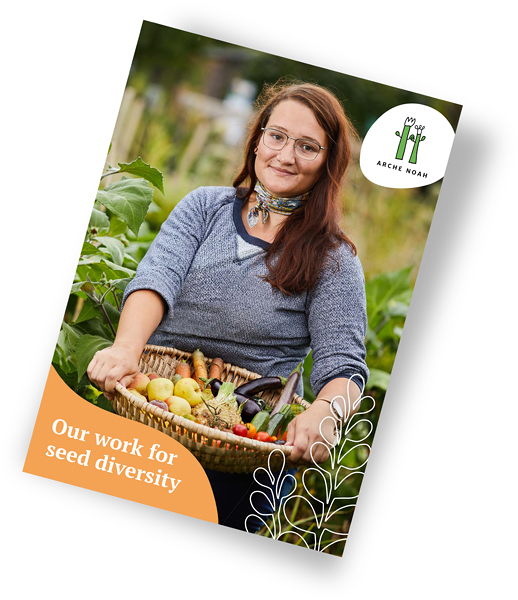
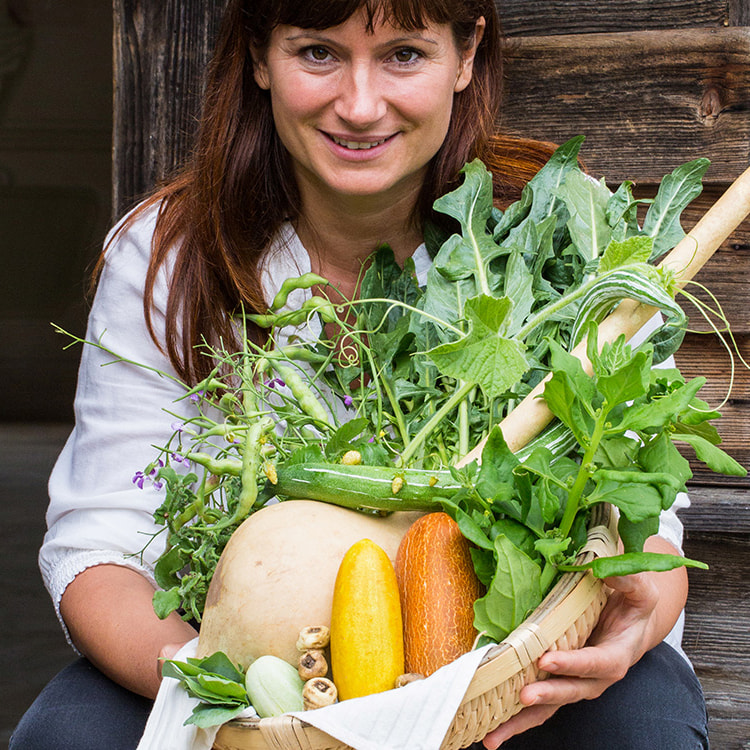
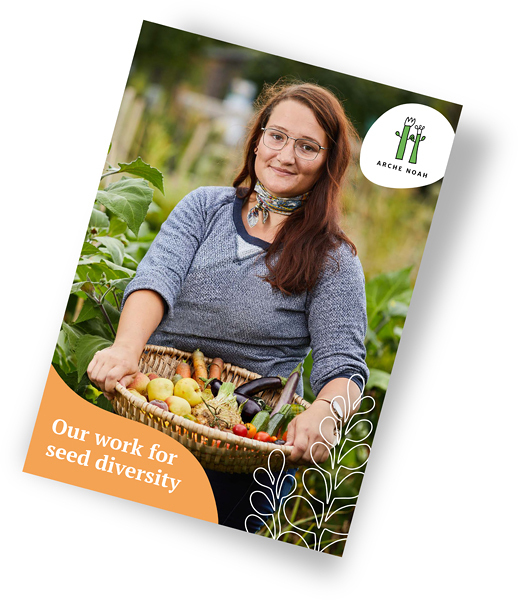
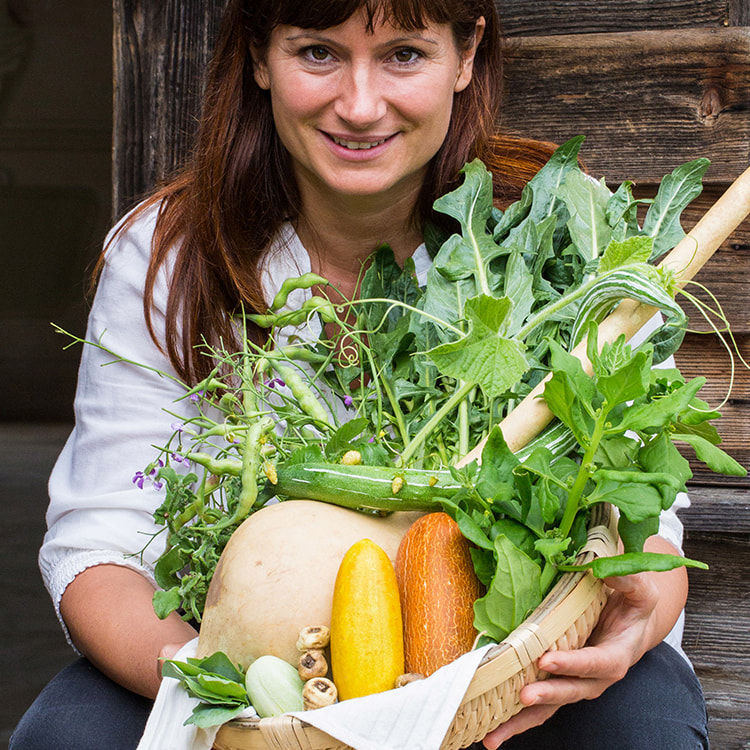
ARCHE NOAH preserves this amazing diversity for a liveable future. Today, it is impossible to know which plant species or cultivars (“genetic resources”) will be important in the future. We must preserve and continue to develop the diversity of our cultivated plants and the knowledge of how to cultivate them. We have to make them available, not only to safeguard the basis of agriculture, but also the richness of flavours that enhance our quality of life.
ARCHE NOAH – its foundation and its activities today
ARCHE NOAH was established in 1990 as an initiative of gardeners, farmers and journalists concerned with the future of seeds and saving heirloom varieties.
Today, the ARCHE NOAH Seed Bank is one of Europe’s biggest private organic collections of cultivated plants, maintaining about 5,500 accessions of rare vegetables and grains – many of which are not found anywhere else.
ARCHE NOAH responds to the loss of agricultural biodiversity with a positive vision and numerous activities. All of us can contribute to more diversity through the cultivation of endangered varieties in our gardens, through consumer awareness and political commitment.
Membership
This attitude connects 17,000 members, supporters and donors involved with ARCHE NOAH today. It’s not a question of whether or not you have a garden. It is a shared vision of providing respectful care for nature as our number one provider.
Diversity means life. Cultivated plant diversity is fundamental to our diet and our lives – just like air or water. It enables agriculture to adapt to extreme weather conditions and new diseases or pests, and to thrive without the use of pesticides and synthetic fertilisers. It also ensures that suitable crops are available for remote regions and extreme conditions – wherever people have to feed themselves.
Let’s share this vision!